Add
Room 7-101, Fangjing Zisha Cultural Tourism City, West Changan Road, Dingshu Town, Yixing City, Jiangsu Province
service@teateatok.com
Room 7-101, Fangjing Zisha Cultural Tourism City, West Changan Road, Dingshu Town, Yixing City, Jiangsu Province
service@teateatok.com
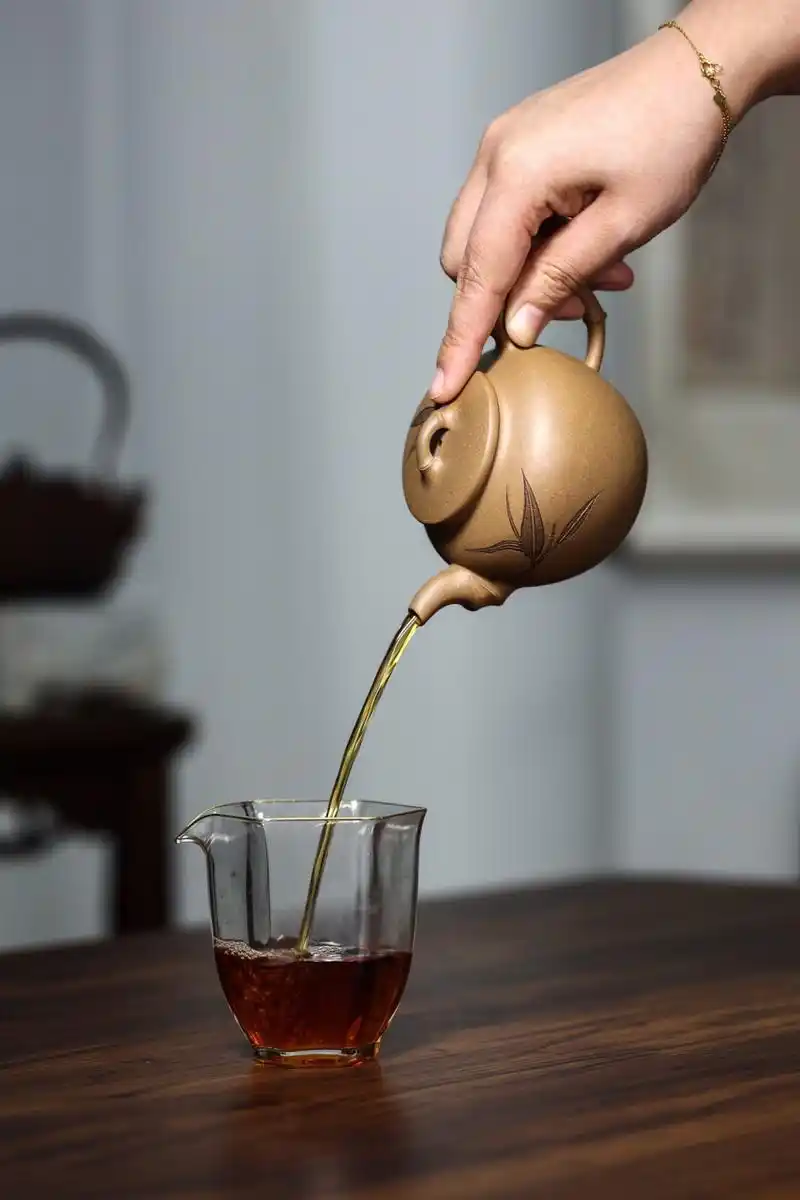
Rinse the inside and outside of your brand-new Yixing Zisha teapot with boiling water to remove surface dust. Then place the teapot in an oil-free pot, add enough water to cover the teapot three times its height, and simmer gently on low heat for two hours. This step removes raw clay odour and dissipates the residual firing heat from the teapot after kiln firing.
Put a piece of tofu inside the teapot, add water to cover the tofu, and simmer for one hour. The gypsum in tofu helps neutralize residual firing heat and break down excess impurities within the teapot.
Finally, select your favourite tea leaves (Longjing tea is highly recommended) and simmer them in the teapot for one hour. This step endows the teapot with unique tea charm, transforming it from a simple clay vessel. After absorbing the essence of tea soup, it takes on a new character. Even on your first brew, you can taste a lasting, soft and delicate tea aroma.
If you want to cultivate a glossy, beautiful patina on your Zisha teapot, consistent and proper careful maintenance is absolutely essential!
Wipe the surface of the teapot with a clean dry cloth for two to three hours every day to polish the pot body and remove light stains. Never leave tea soup on the outer surface of the teapot for long periods, as it will build up unsightly tea stains, which is a big taboo for teapot collectors.
After one week of consistent wiping, a faint reddish hue will subtly appear on the pot surface — this is the foundation of accumulated patina. As the patina gradually develops, the teapot’s colour will become warmer and more lustrous.
Set the teapot aside to air dry naturally for one week, allowing the whole pot to be exposed evenly to air. This forms a fine, tight oxidized protective layer that preserves the natural character of the clay.
Then begin hand conditioning. Keep your hands completely clean and dry at all times; never touch the teapot with sweaty hands. Gently stroke the pot body for about thirty minutes each day. After one to two weeks, you will feel a slight smooth resistance on the pot surface, which means a thin layer of patina has formed.
With three months of careful upkeep, the teapot will develop a bright, glossy natural finish. A fully seasoned Zisha teapot features a smooth, radiant texture with strong light refraction, translucent like coloured glaze.
If the teapot gets stained, gently wipe it a few times with a slightly damp cotton cloth. Let it air dry naturally before continuing hand conditioning. Make sure to wipe every detail of the pot evenly. Patina cultivation calls for patience and gradual progress; never rush for quick results. Watching your teapot transform little by little is a unique calming experience and spiritual insight for tea lovers.
The beauty of owning a Zisha teapot lies in this process of caring for and nurturing it step by step.
Before brewing tea, pour boiling water over the exterior to warm the teapot, then add boiling water to rinse the inner cavity. This traditional tea ritual step is known as “pot warming”.
Wipe the teapot with a cotton cloth regularly. Avoid leaving tea soup on the outer wall for a long time to prevent tea stains from ruining the texture and appearance of the pot.
Do not store the teapot with standing water inside for extended periods. Only add hot water when you are ready to brew tea.
After every use, wipe down the exterior of the teapot with a cloth and keep the interior dry, to prevent mould and strange odours while preserving pure tea fragrance.
Store your teapot away from greasy, smoky and dusty areas.
It is recommended to own multiple Zisha teapots. Dedicate one teapot to one type of tea. Never brew different teas in the same pot. You may label them for classification to avoid flavour cross-contamination.
Never clean your Zisha teapot with dish soap or chemical cleaners. They will strip accumulated tea essence and dull the teapot’s natural lustre.