Add
Room 7-101, Fangjing Zisha Cultural Tourism City, West Changan Road, Dingshu Town, Yixing City, Jiangsu Province
service@teateatok.com
Room 7-101, Fangjing Zisha Cultural Tourism City, West Changan Road, Dingshu Town, Yixing City, Jiangsu Province
service@teateatok.com
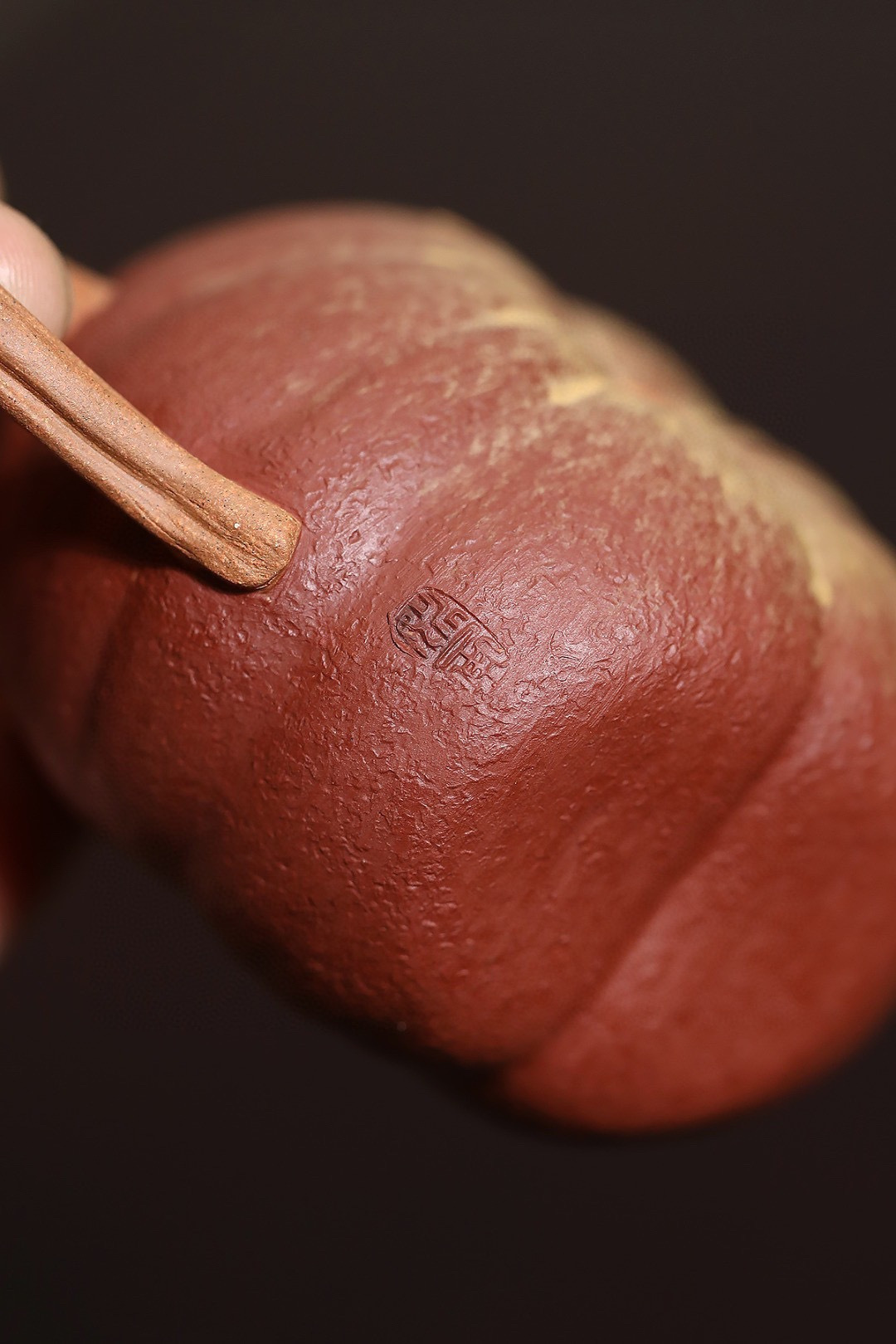
Many people ask me: can you use a Yixing Zisha teapot bought for a few hundred dollars for tea? How to steer clear of the so-called “chemical clay teapots” on the market. Today, let’s take a rational look at this 600-year-old traditional craft.
The core advantage of a Zisha teapot lies in its unique dual-pore structure. This physical property of being breathable yet water-resistant is what makes it an excellent vessel for brewing tea. To avoid common pitfalls, keep these three key identification tips in mind.
First, examine the clay. Authentic Yixing Zisha is sedimentary clay formed in ancient inland lakes. If the teapot has overly bright, vivid colours and a glass-like glossy surface, it is most likely a chemically coloured teapot. Natural raw Zisha clay has a modest, understated hue with a soft matte finish. You can feel fine grit when touching the surface.
Second, listen to the sound. Gently tap the lid. A genuine raw-clay Zisha teapot produces a clear tone with subtle metallic depth.
Third, check the craftsmanship. Do not fall for marketing gimmicks such as “master handcrafted”. A fully hand-made Zisha teapot is shaped without moulds, formed slowly using the traditional “slab beating” technique. If the inner wall is unnaturally smooth, or obvious mould seams are visible, it is not fully hand-made.
A Zisha teapot is more than a daily tea utensil; it is a craft treasure shaped over centuries. New collectors are recommended to start with two classic shapes: Xishi and Fanggu. They are versatile and less likely to disappoint. Purple clay is a great choice for clay type, compatible with pu-erh, dark tea and many other teas.
Teapot patina development has no quick shortcut by applying oil or wiping. It is a peaceful practice. Simply rinse the teapot with clean water after use and nourish it with tea liquid. Over time, a soft, natural patina will form. This is the true charm and soul of Zisha ware.
If you love Zisha culture or need help identifying whether your teapot is authentic, feel free to leave a comment. Stay tuned to explore the world of this national intangible cultural heritage, and grow into a knowledgeable tea and teapot enthusiast.